Winter has traditionally slowed down military activity in the highlands of Jammu and Kashmir. Heavy snowfall, blocked mountain passes and extreme cold often reduce the movement of both security forces and terrorists. But this winter the pattern has changed.
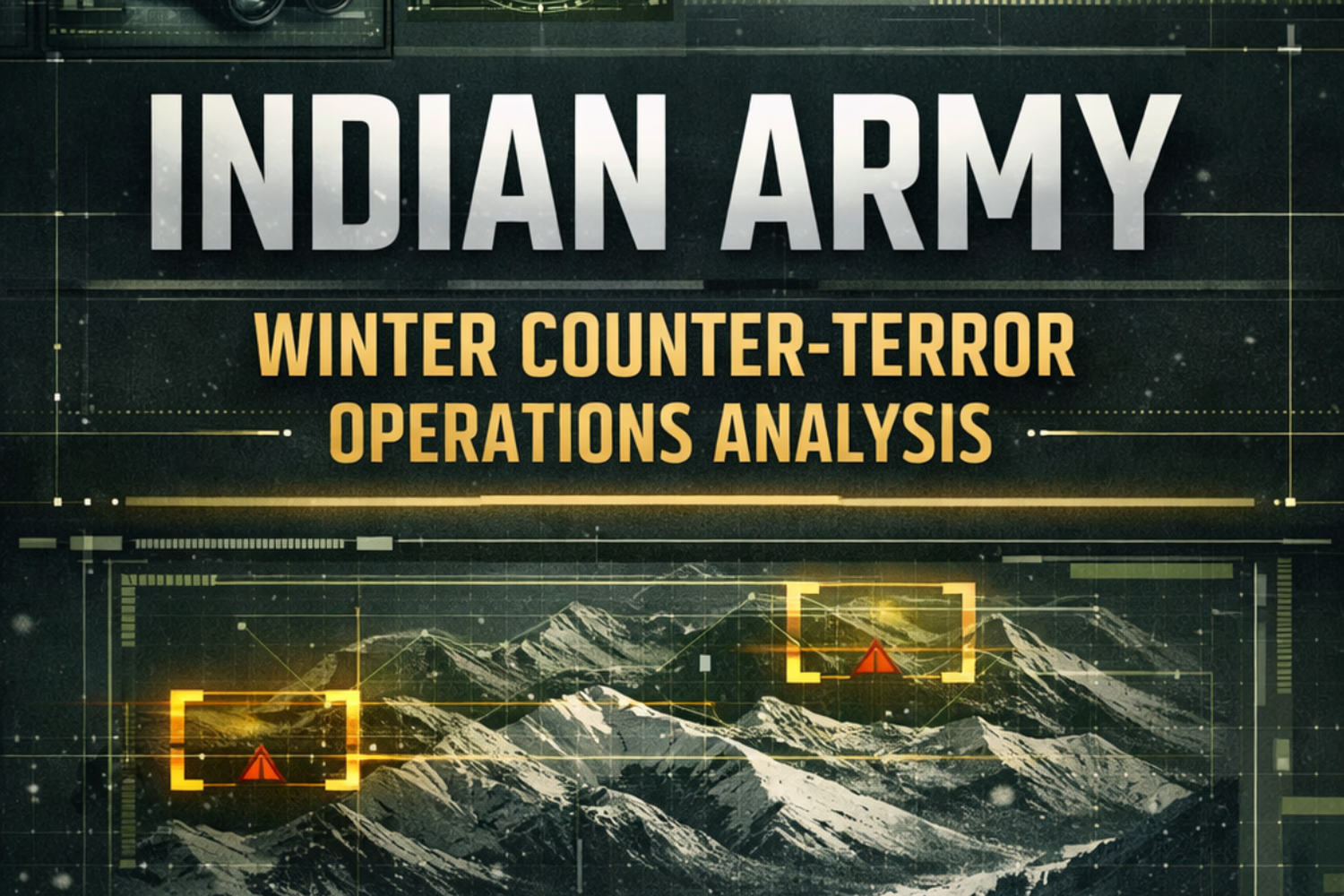
The Indian Army has stepped up counter-terrorism operations during the peak winter months, signaling a deliberate strategic shift in the way it deals with security threats in the region. Intelligence inputs suggest that 30-35 Pakistan-based terrorists are present in selected hilly areas, especially in remote and forested areas.
This NewsWell Insight explains what has changed, why the military is taking action now, and what it means for security mobility going forward.
Breaking the winter break: What’s different this year?
For decades, winter created a natural operational lull. Terrorist groups depended on this seasonal downturn to regroup, relocate, and survive in isolated locations. Patrolling, surveillance and continuous deployment is limited in snowy areas.
The Indian Army has lifted that ban this winter.
Instead of retreating to lower altitudes or limiting movement, forces:
- Maintained presence at altitude
- continued active surveillance
- Extension of winter deployment in rugged terrain
- Sustained Intelligence-Driven Operations
The message is clear: winter is no longer a safe buffer for terrorist networks.
Why do winter operations matter strategically?
From a military perspective, winter is no longer just a challenge – it is an opportunity.
1. Denial of safe havens
Terrorists historically relied on winter isolation to avoid detection. Constant presence of the army poses a hindrance:
- movement between locations
- supply chain
- communication network
2. Intelligence advantage
The harsh conditions restrict militant mobility far more than trained forces. This creates predictable patterns that can be tracked through:
- monitoring grid
- ground intelligence
- area dominance patrol
3. Long-term stress
Continued winter operations create psychological and logistical stress, reducing the ability of terrorist groups to plan offensives in the spring.
Intelligence picture: 30-35 terrorists assessed
Army intelligence assessments indicate that around 30-35 terrorists, believed to have their origin across the border, are currently active in parts of the Jammu region, including the high altitude forest belt and hilly corridors.
It is important to understand what this number represents:
- This is not a worrying figure
- This represents not speculation, but confirmed assessment
- It guides targeted campaigns, not mass action
The focus has largely been on containment, disruption and neutralization rather than kinetic escalation.
High-altitude terrain: why it is operationally important
The terrain shapes the strategy.
High altitude areas provide:
- dense forest
- narrow mountain passes
- limited civilian presence
While these conditions once favored the militants during winter, improved logistics, winter warfare training and surveillance integration have tilted the balance towards the security forces.
Temporary winter bases, extended patrol cycles and improved supply chains now allow forces to remain on the ground instead of vacanting it.
A Clear Command Decision, Not a Tactical Experiment
One of the most important aspects of this development is institutional clarity.
This is not:
- a temporary reaction
- reaction to an event
- a short-term display of strength
It is a command-level operational decision:
There will be no winter operational pause.
This clarity reduces ambiguity, aligns intelligence and ground units, and ensures continuity across months — not just weeks.
Newswell Insight: What These Signals Are Going Forward
From a broader security perspective, this shift carries three key implications:
1. Spring spike risk reduced
Historically, terror activity surged in spring after winter regrouping. Continued winter pressure reduces that risk.
2. Less opportunities for infiltration
Continuous monitoring of mountain corridors limits cross-border movement windows.
3. Strategic Generalization
Winter operations are becoming standard procedure, not exceptional measures — a sign of operational maturity.
This approach prioritizes control and prevention, rather than reactive responses after attacks occur.
A measured, not militarized, message
Notably, official communication around these operations remains restrained. There is:
- no dramatic statements
- no exaggerated claims
- no political allusion
That restraint itself is strategic. It reinforces confidence without escalation and maintains focus on security outcomes rather than narratives.
Conclusion: A quiet but significant change
The Indian Army’s intensified winter counter-terror operations mark a structural change in regional security management. By denying the militants seasonal respite, maintaining surveillance and occupying high ground, the army is reshaping the operating environment.
This is not a headline-grabbing thing.
This is something significant: consistent pressure, applied quietly, over time.
That is often where long-term security gains are made.
Frequently Asked Questions
Winter operations deprive militants of their traditional seasonal advantages, destroying their bases and preventing them from regrouping before spring.
This reflects a measured Army intelligence assessment used to direct targeted operations, and not a signal of large-scale escalation.
No, it represents a strategic decision to remove the concept of “winter pause” from counterterrorism planning.
Yes, but better logistics, training and monitoring have reduced those barriers to a great extent.
Sustained winter pressure reduces the chances of revival in spring by quickly weakening the network.